Lost Baby Monkey Clings To Rescuer After Being Found Crying Alone
Residents in Mount Vernon, South Africa, were startled one afternoon by loud screeches outside a local snack shop. Two troops of vervet monkeys were clashing, creating chaos in the street. When the noise finally settled and the monkeys scattered, something heartbreaking remained. A tiny baby vervet was left alone, crying near a light pole. Confused…
Residents in Mount Vernon, South Africa, were startled one afternoon by loud screeches outside a local snack shop. Two troops of vervet monkeys were clashing, creating chaos in the street.
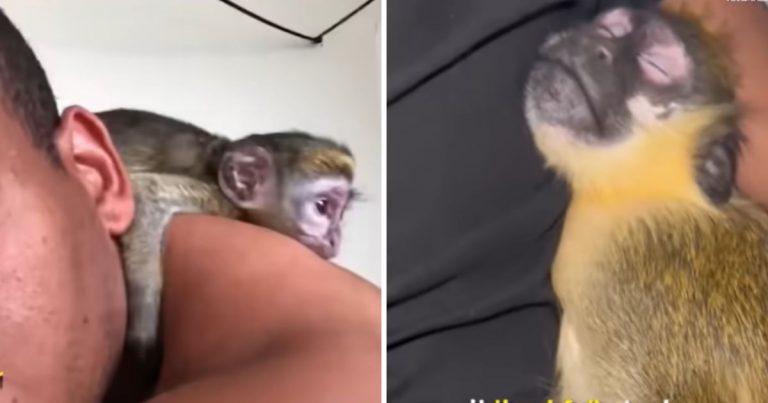
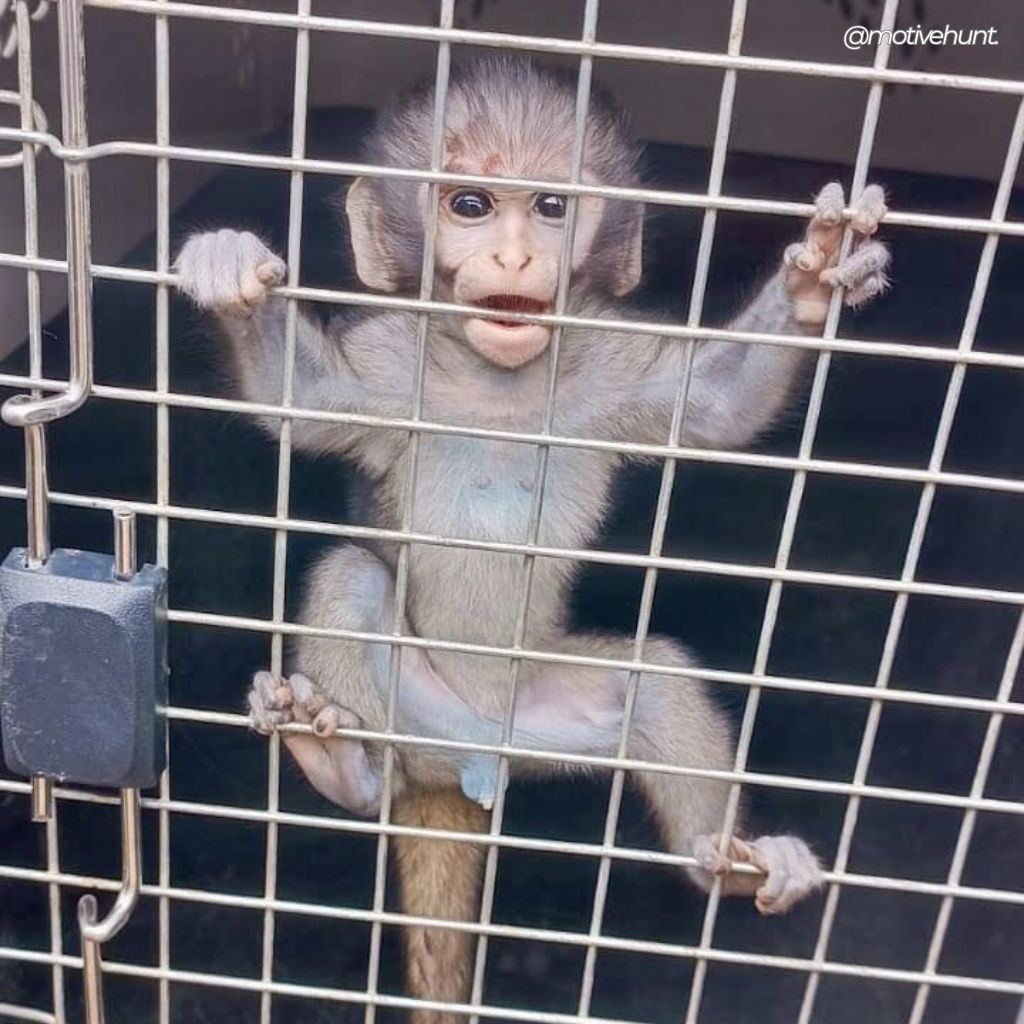
When the noise finally settled and the monkeys scattered, something heartbreaking remained. A tiny baby vervet was left alone, crying near a light pole.
Confused and frightened, the little one had no troop to cling to. Concerned community members immediately contacted wildlife authorities for help.
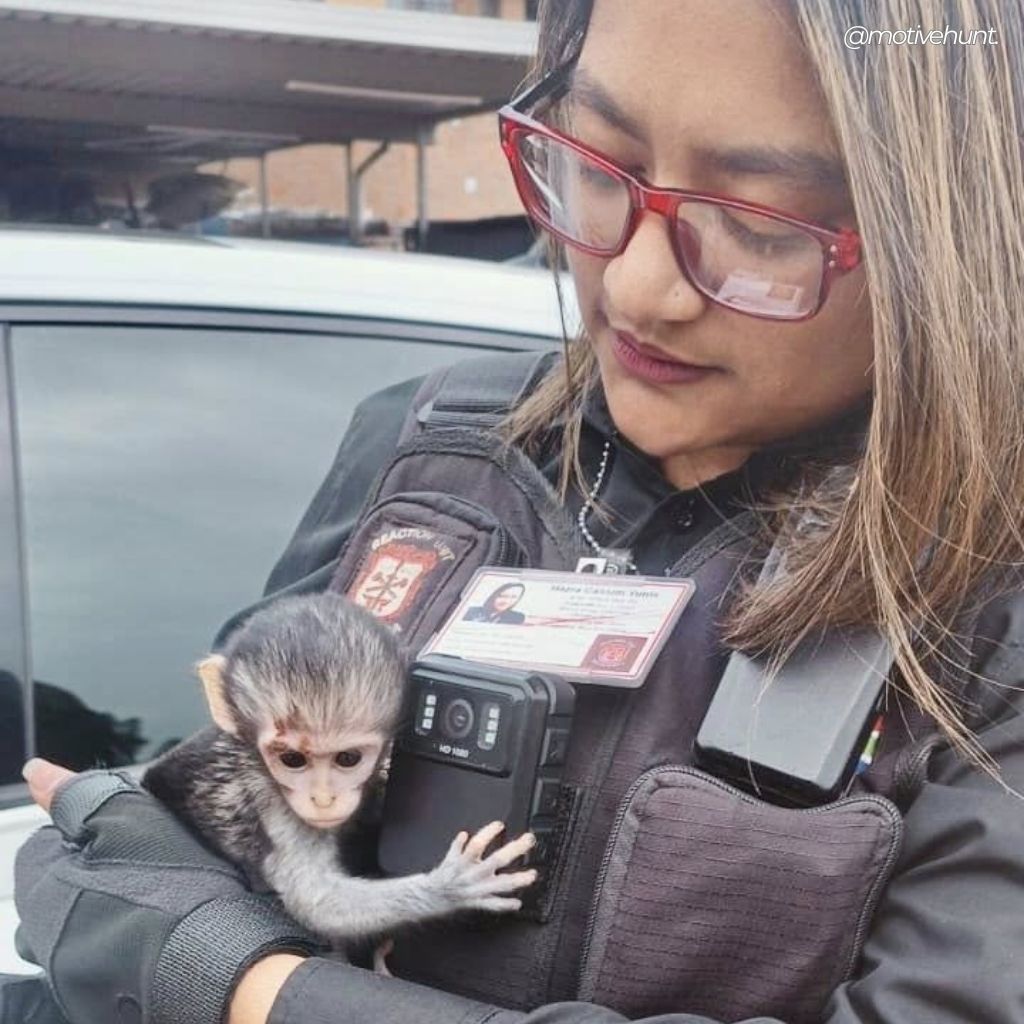
Officers from Reaction Unit South Africa arrived quickly and carefully secured the baby. As soon as he was picked up, he wrapped his tiny hands tightly around the rescuer’s vest.
The image looked like a sweet hug, but experts explain that it is instinct rather than affection. Young vervet monkeys cling naturally for survival, seeking safety and comfort the way they would with their mothers.
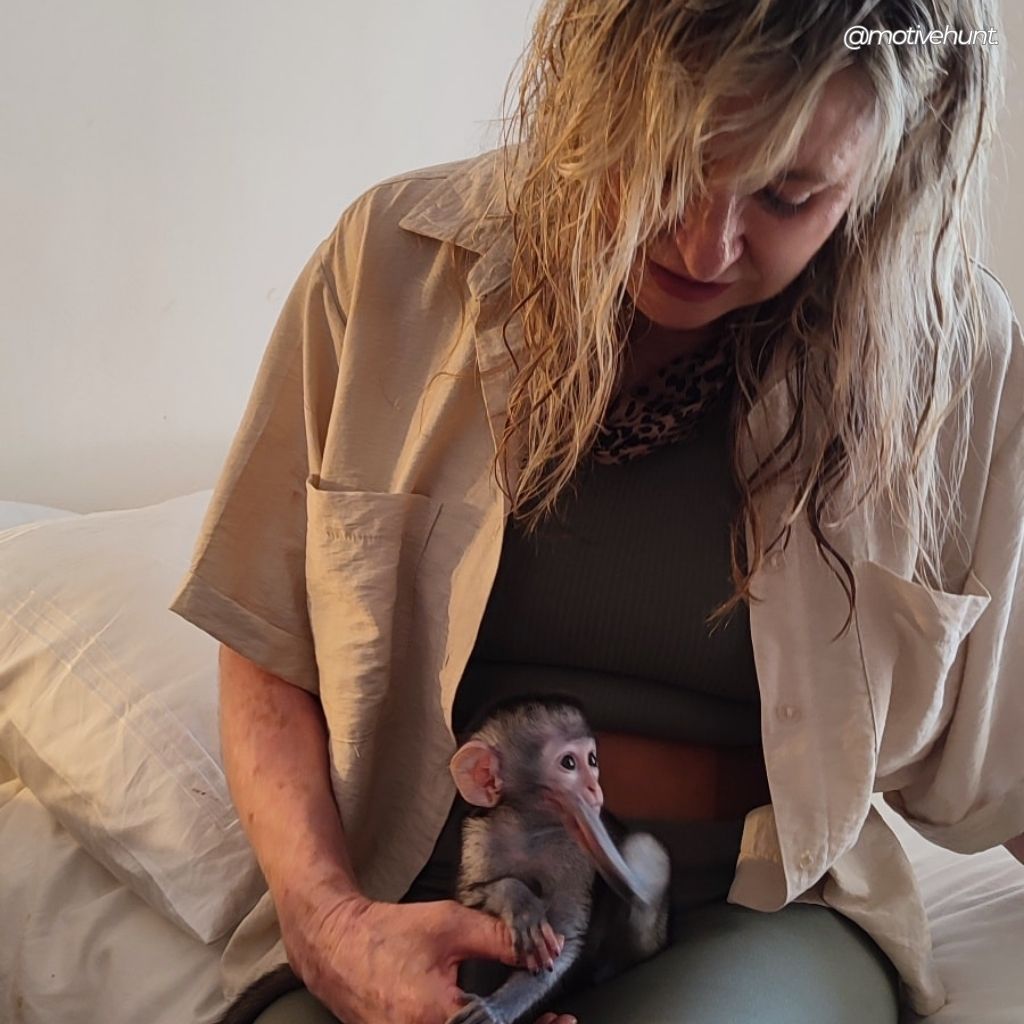
Wildlife Rescue representative Lindy Elmes clarified that for primates, clinging is a form of self soothing and security seeking. In the wild, babies hold onto their mothers constantly during their early months.
To ensure the baby received proper care, rescuers contacted Monkey Helpline. An experienced volunteer fostered him temporarily while plans were made for his future.
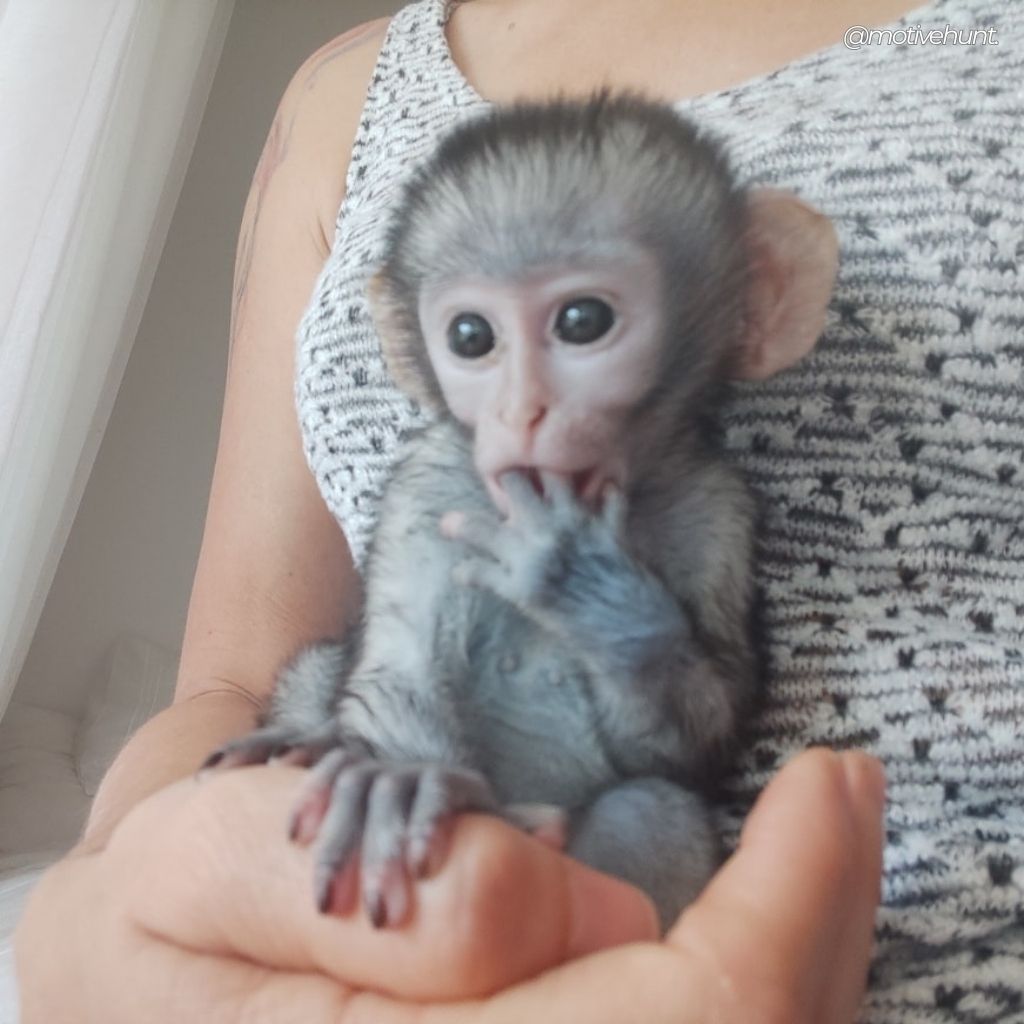
Experts knew he needed to be around other monkeys quickly to avoid imprinting on humans. The goal was always rehabilitation and eventual return to the wild.
Soon, he was transferred to Vervet Valley, a sanctuary dedicated to rescued monkeys. There, he joined other young vervets and began learning the skills he would need to survive.
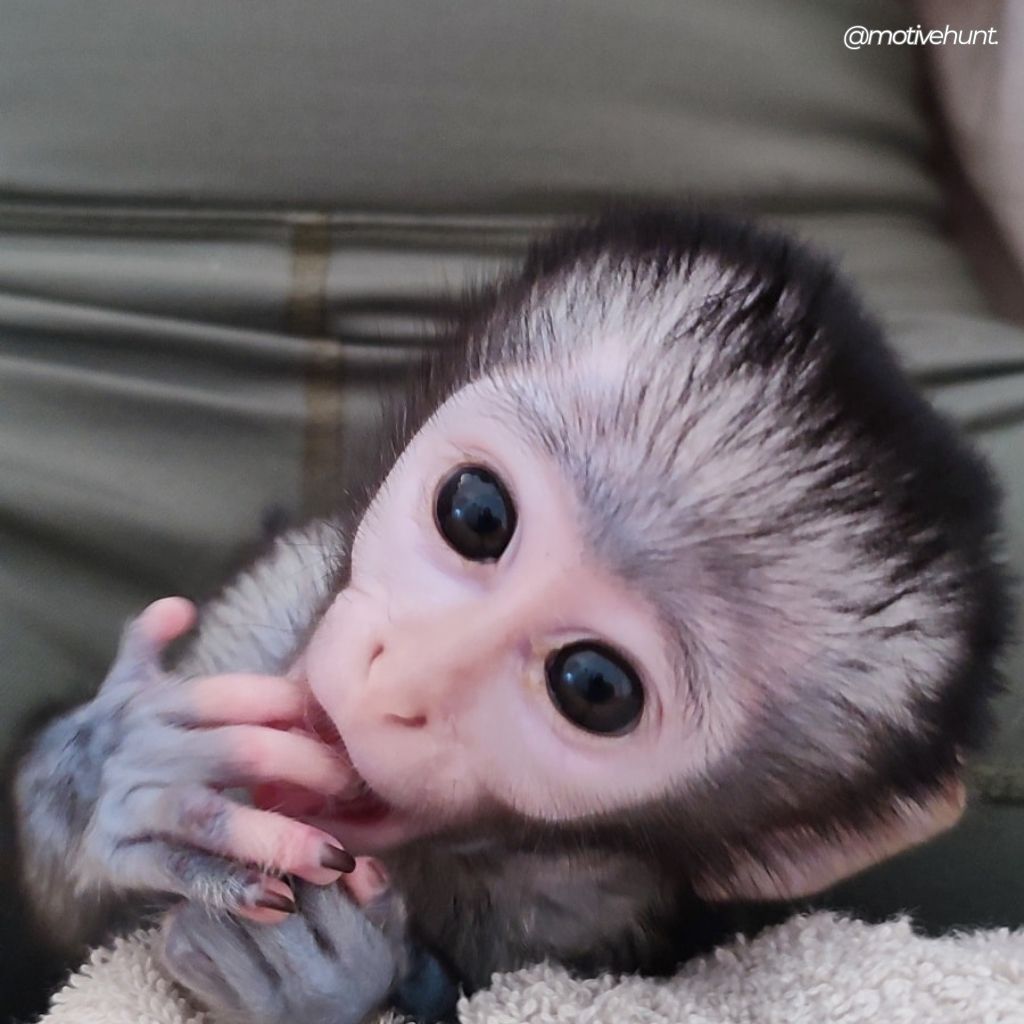
Today, the once abandoned baby is growing stronger in a safe and supportive environment. His days are filled with climbing, socializing, and preparing for independence.
Rescuers hope this story encourages people to respond thoughtfully when wildlife is in danger. Well meaning actions can sometimes cause harm if not guided by experts.
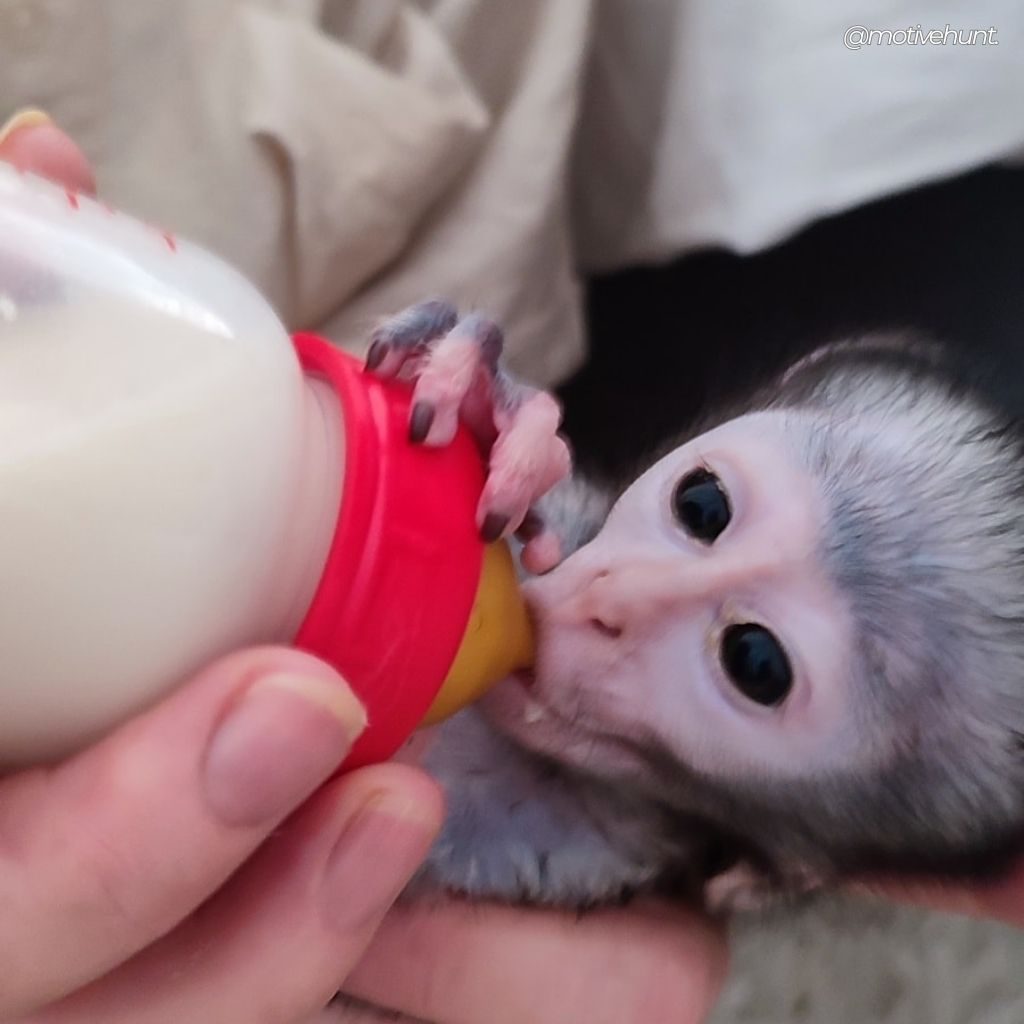
By supporting ethical rehabilitation centers and respecting wild animals in shared urban spaces, communities can help ensure that stories like this end with hope rather than tragedy.