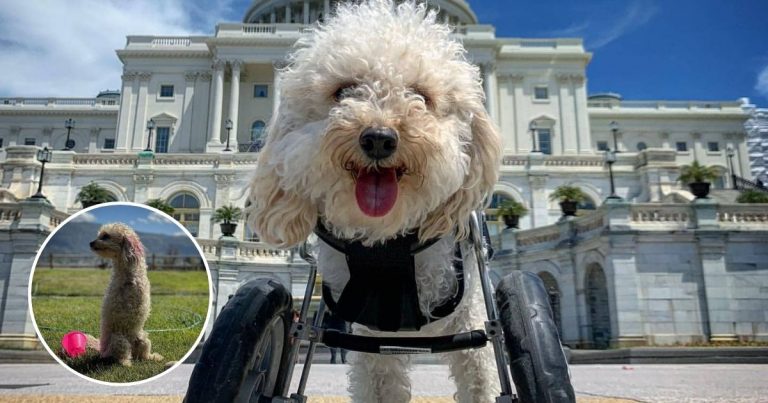
Can TV Really Help Calm Your Dog When They’re Home Alone?
Leaving your dog home alone is never easy. The moment the door closes, some pups settle in peacefully while others begin to feel anxious or restless. Many dog parents wonder if leaving the TV on can help. The short answer is yes, for some dogs it absolutely can. Dogs are social animals and often rely…
Leaving your dog home alone is never easy. The moment the door closes, some pups settle in peacefully while others begin to feel anxious or restless.

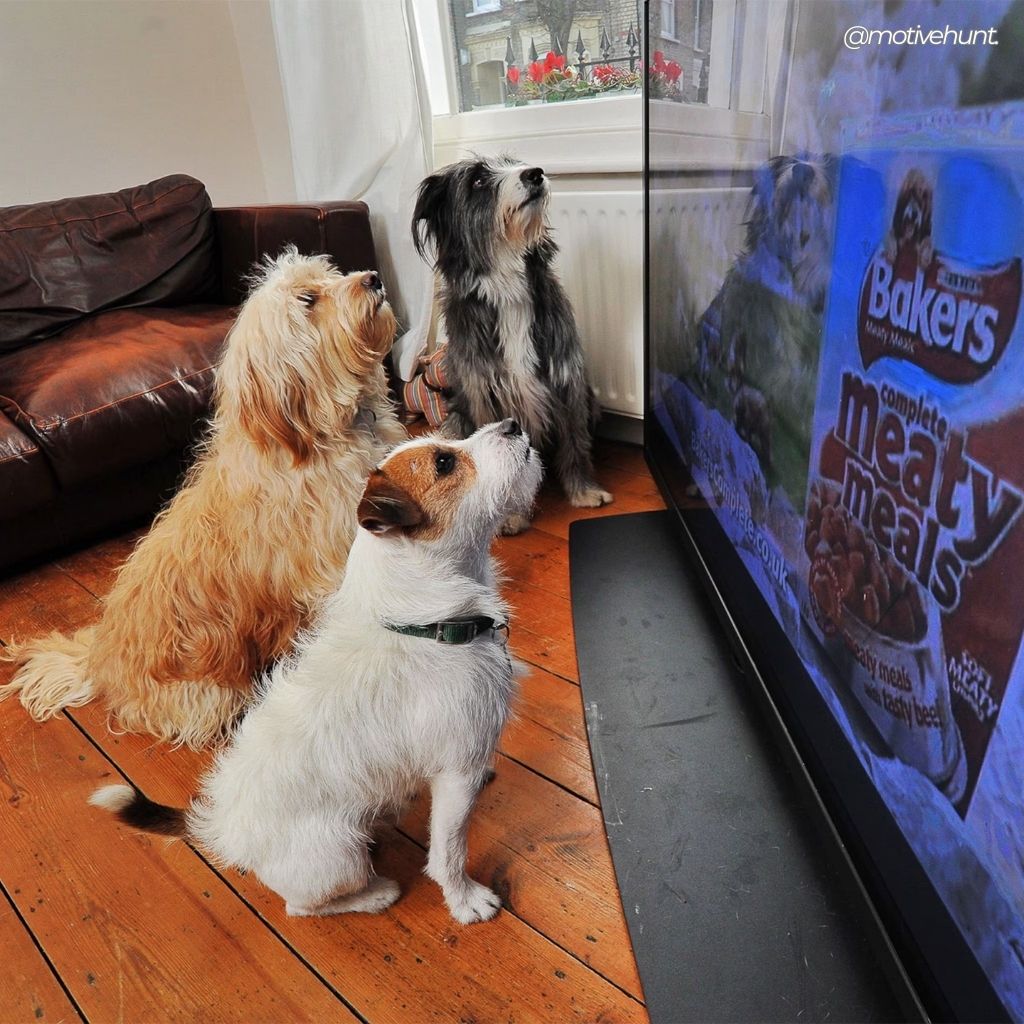
Many dog parents wonder if leaving the TV on can help. The short answer is yes, for some dogs it absolutely can.
Dogs are social animals and often rely on familiar sounds for comfort. A quiet house can feel unsettling, especially if your dog is used to hearing you move, talk, or play with them throughout the day.
Background noise from the TV or radio can make the space feel less empty. It can also mask outside sounds like delivery trucks, footsteps, or construction that might otherwise trigger barking.
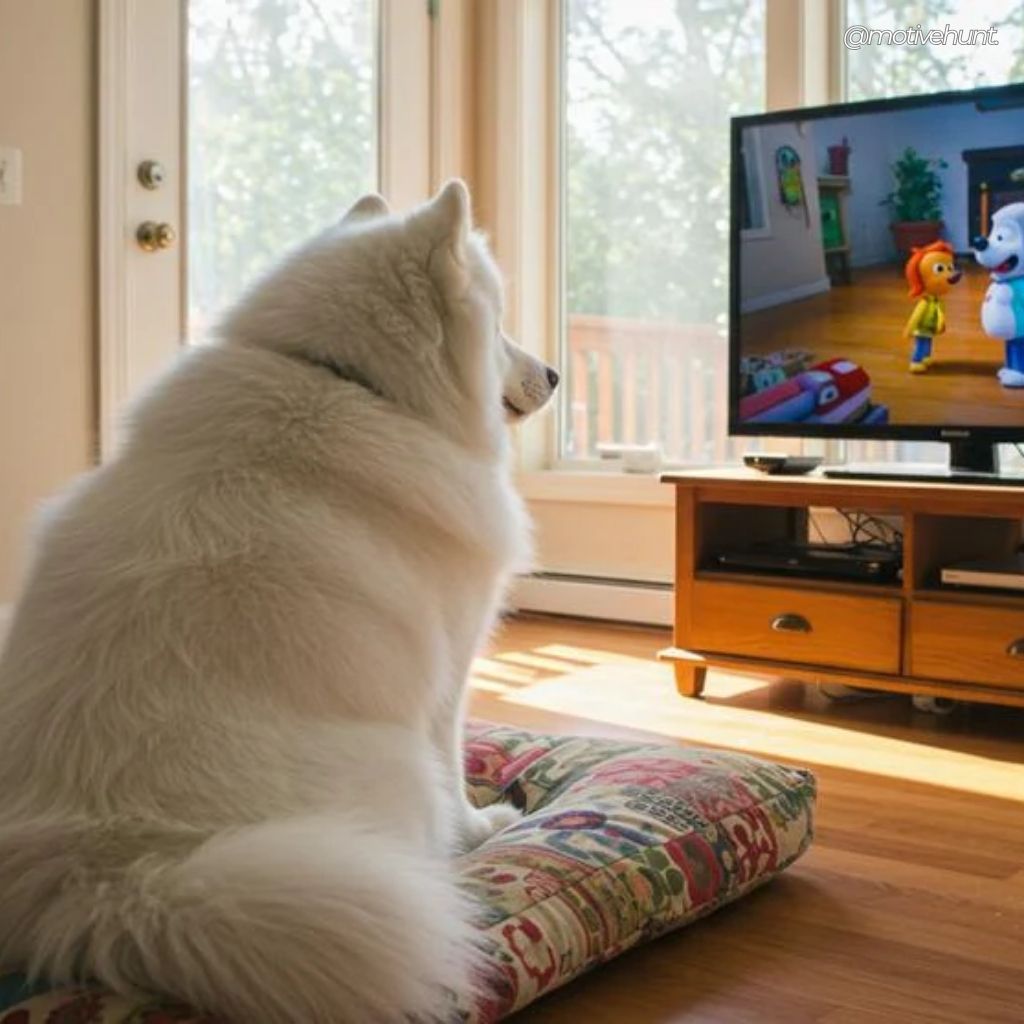
According to animal behavior experts, calming sounds are usually more helpful than stimulating ones. Soft ambient audio or gentle nature scenes can create a steady and predictable environment.
Not all TV content is equal, though. Loud action scenes, sharp noises, or dogs barking on screen can actually increase stress for some pets.
Dogs do not see television the way humans do. They often perceive flickers and fragmented movement rather than smooth visuals, and since there are no scents involved, the images may not fully engage them.
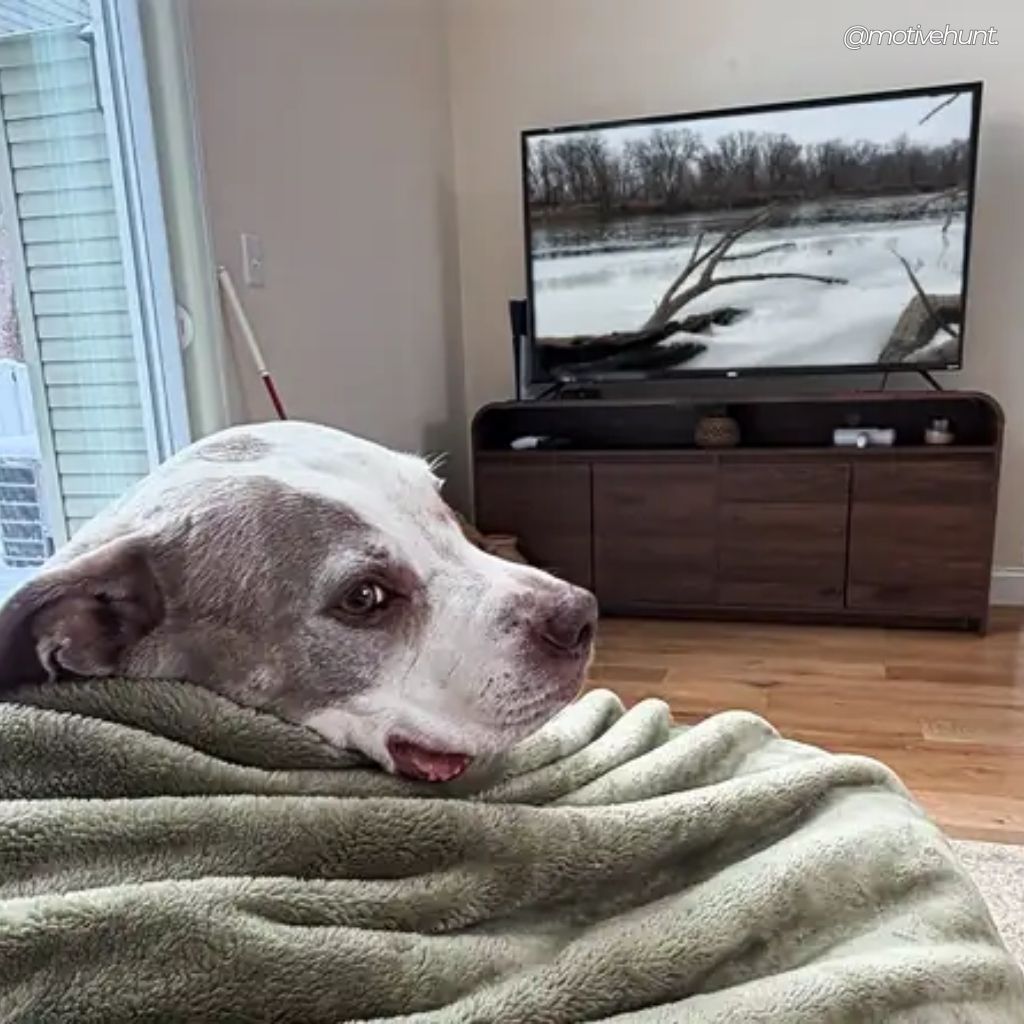
For dogs that rely heavily on hearing, consistent sound can be reassuring. For those who rely more on scent, the TV may not make much difference.
If you want to try dog friendly TV, introduce it while you are still home. Turn it on during relaxed moments and observe how your dog reacts.
If possible, check in through a pet camera to see whether your dog appears calmer or more stimulated while the TV is playing.
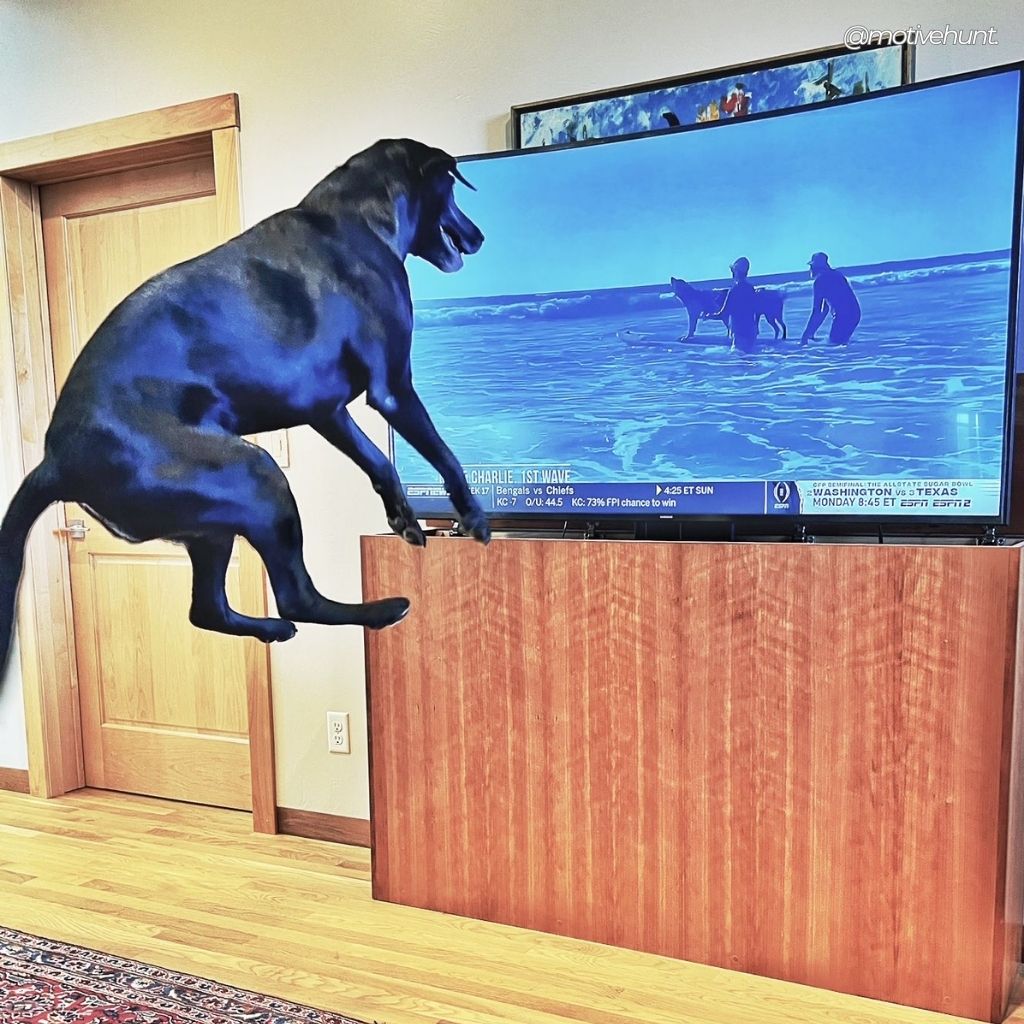
TV works best when combined with other good habits. Before leaving, make sure your dog has been exercised, fed, and given a bathroom break. A tired but not exhausted dog is more likely to rest peacefully.
Providing space also matters. Many dogs do better when they are not tightly confined, though some feel secure in a crate. It depends on the individual.
If your dog struggles with more severe separation anxiety, speak with your veterinarian. Behavioral training programs or medication may be necessary in some cases.
You can also combine TV with other calming tools such as soft classical music, interactive toys, or a piece of clothing that carries your scent.
At the end of the day, leaving the TV on is not a magic fix, but it can be a helpful safety cue for many dogs. The key is knowing your dog’s personality and adjusting based on what truly keeps them comfortable.